How to Dress for a Safari
In my 11 years working on safaris, I've seen it all:
- girls wearing heels in the Serengeti;
- men in snow-white shirts that, within half an hour, matched the color of the dirt road between Ngorongoro and the Serengeti;
- people dressed in all black from head to toe under the African sun;
- and, of course, the legendary tourists who show up in shorts and a tank top because "it's Africa, it's always hot here."
And then, at 6 AM, they’re sitting in the car wrapped in a blanket, our driver's jacket, and seemingly the moral support of the entire group.
So, let's clear things up.
Myth #1: It’s always hot in Africa
No. Especially if your safari starts in Ngorongoro at 6 AM.
Mornings down in the crater can be so chilly that you’ll start rethinking your relationship with the word "tropics."
I still love watching the faces of tourists who flew in from Zanzibar, where it was +30 °C the night before, only to find themselves at +8 °C on a morning safari. It’s a very fast track to spiritual enlightenment. Therefore, a light jacket, hoodie, or fleece is not a recommendation. It’s a necessity.
Myth #2: You must buy a full National Geographic presenter outfit
No. The lion absolutely doesn't care. Honestly.
In all my years of work, I have never once seen a lion look at a person and say, "Alright, let's skip the guy in beige, but we're not serving the guy in blue today."
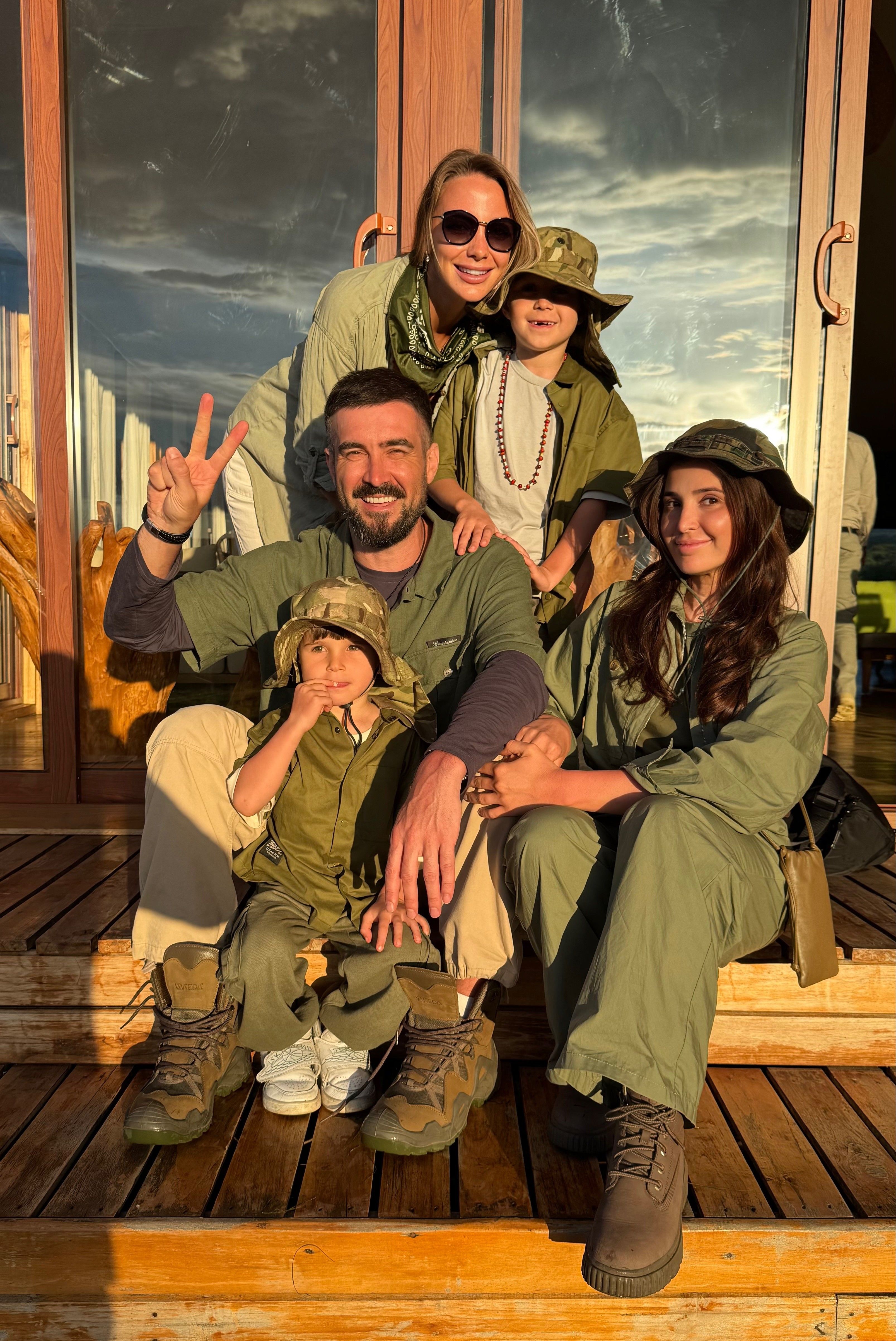
The main rule is comfort:
- comfortable pants;
- a t-shirt;
- a light long-sleeve shirt;
- sneakers.
That's it. A safari is not a fashion show. But if you want to shoot beautiful content like on my account, peek at my photo tips straight from the savanna 😉.
Myth #3: White looks beautiful
It does. For about the first twenty minutes.
Then comes the African dust. A lot of African dust. A whole lot of African dust. Especially in the dry season. After that, your white clothes take a crash course in becoming beige.
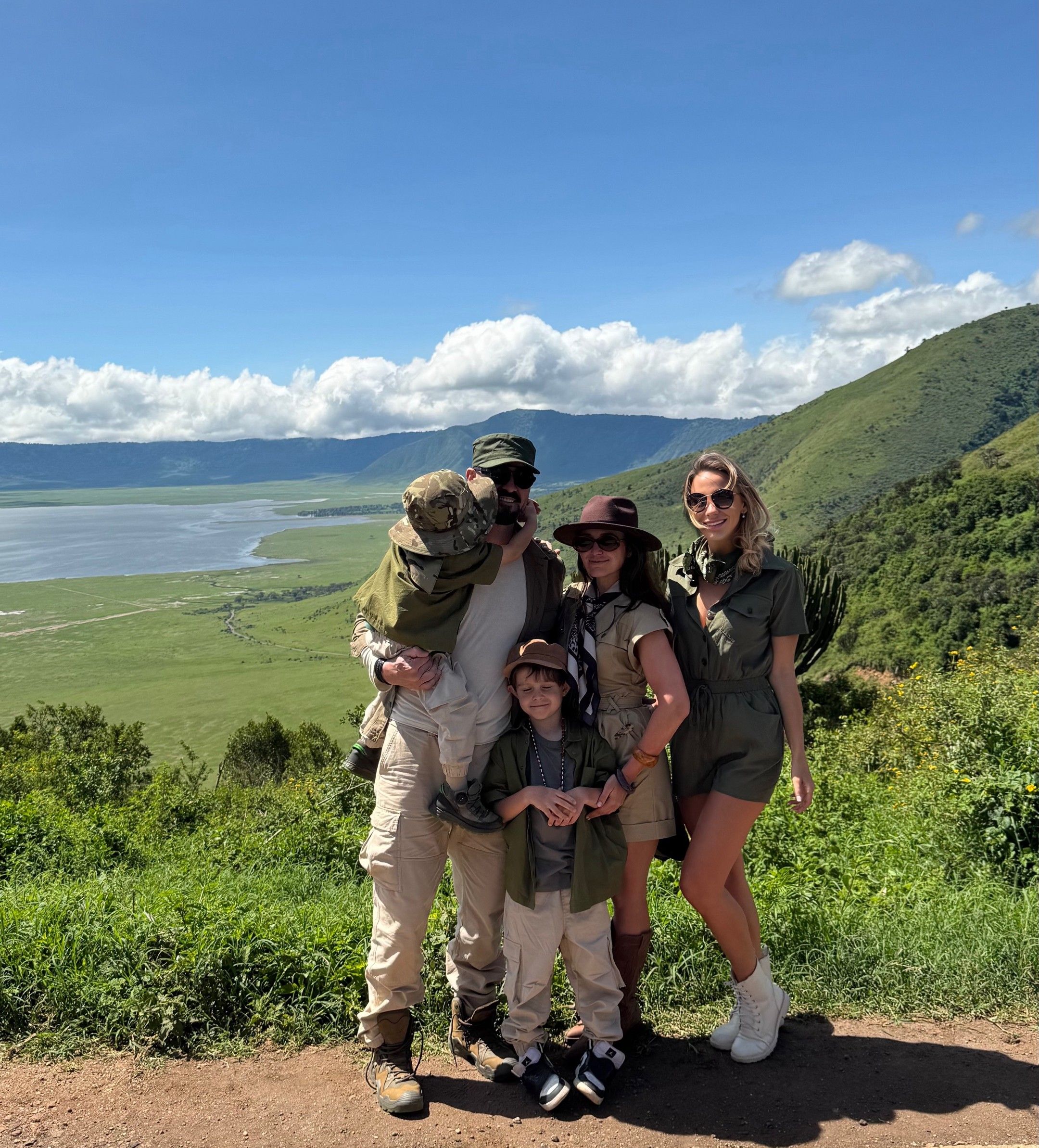
That’s why it’s better to choose neutral colors: sand, khaki, olive, gray, brown. Not because guides just love those colors, but because after the very first day, you'll realize they were absolutely right.
Myth #4: You only need shorts on a safari
Until your first encounter with a thorny bush. Until the first chilly morning. Until the first picnic stop where the wind suddenly picks up.
Lightweight, long pants are a traveler's best friend. Tested and proven by thousands of tourists and by me personally.
Shoes
Unless you plan on outrunning a buffalo (and I really hope you don't), you do not need special safari boots. Regular sneakers handle the job perfectly.
A safari takes place in a car. Let me repeat that for the people packing their suitcases like they're joining an Everest expedition: a safari takes place in a jeep. You don't need to buy boots meant for conquering Mount Kilimanjaro.
And the most important thing
Dress so that you're comfortable watching the animals, rather than wondering why you put that outfit on at 5 AM.
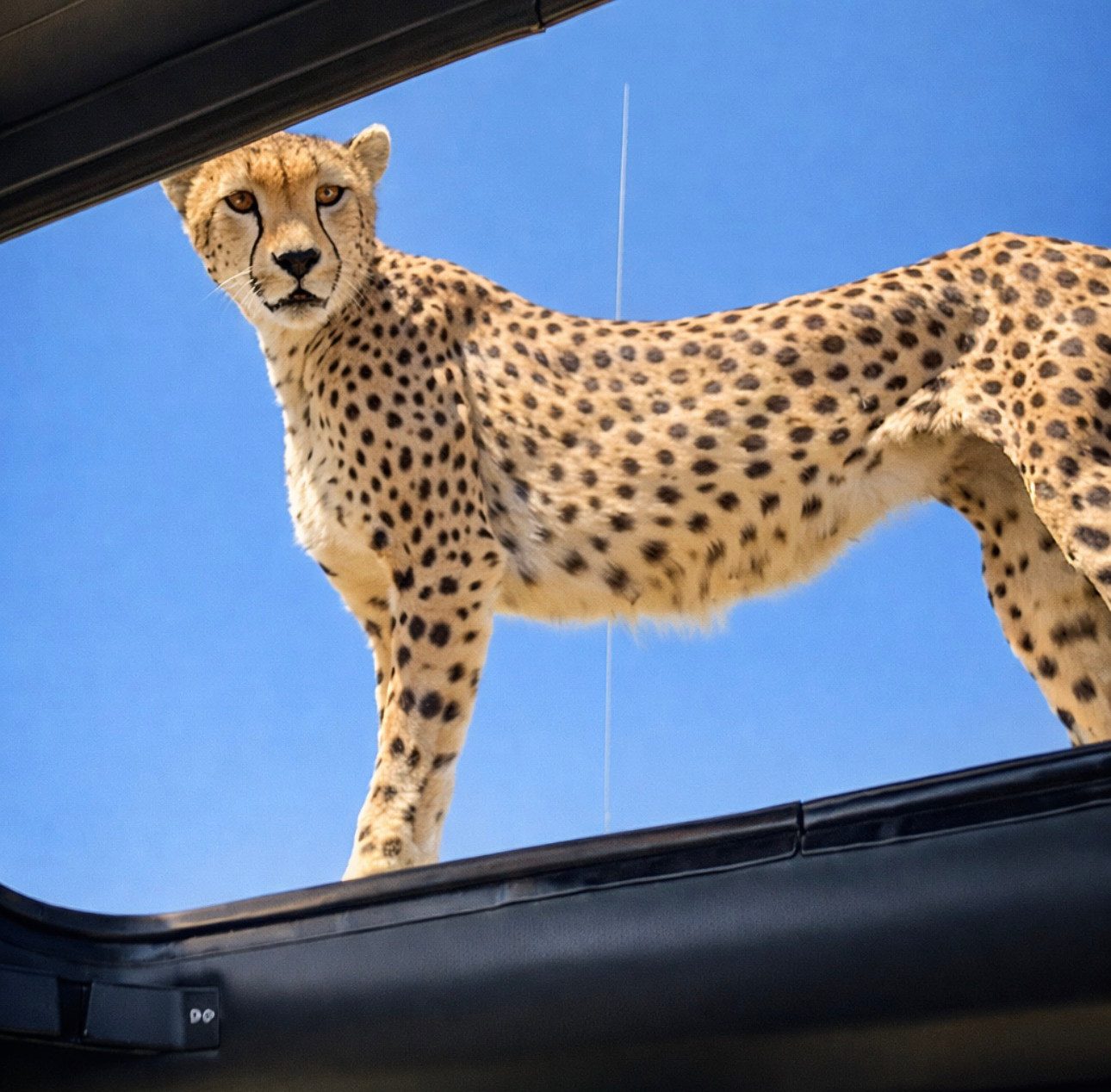
Because a safari isn't about clothes. It’s about that moment when you suddenly find yourself just a few meters away from a lion. When a giraffe looks down at you with an expression that says *he* paid for the tour, not you. When an elephant crosses the road right in front of your car. When the sun rises over the savanna.
And in that moment, absolutely no one remembers what color your pants were.
Except for the photos.
And the African dust. It never forgets.