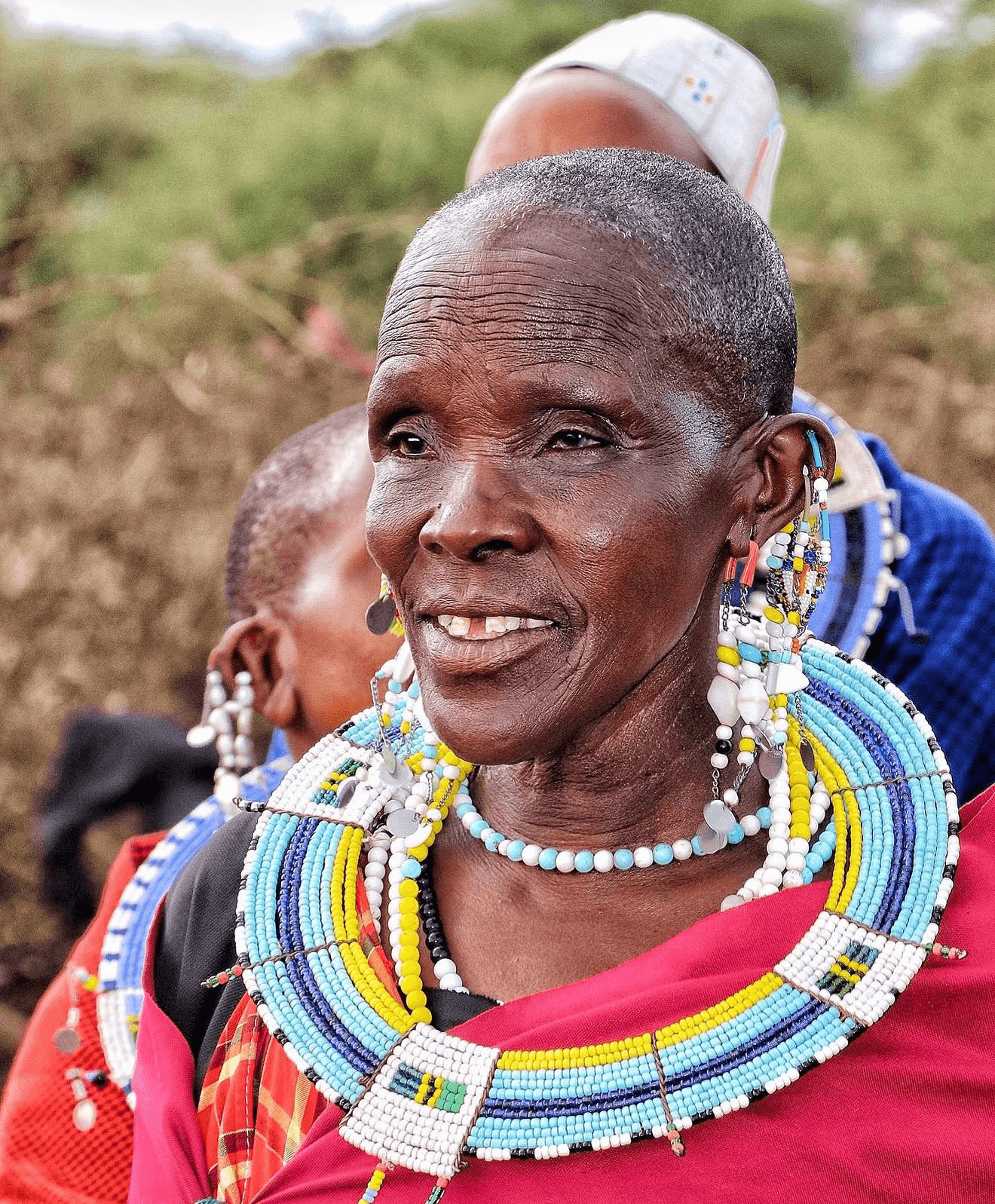
The Maasai "Pension": Why Growing Old in Africa Can Be Happier Than Back Home
When I tell tourists that the Maasai have their own kind of... pension, the car usually goes dead silent.
Some start smiling. Some think I'm joking. And then someone inevitably asks:
"So, how much do they get?"
I reply:
"One young girl."
After that line, the safari usually gets a whole lot more interesting.
No, money has nothing to do with it. The Maasai have never had state-sponsored pensions. And why would they, when for centuries their ultimate wealth was measured not in bank accounts, but in family, children, and... cattle? Therefore, the question of "who will look after the elderly?" was solved here long before pension funds even existed.
When a woman becomes too old and it gets difficult for her to carry water, gather firewood, cook, and manage the household, the responsibility of caring for her shifts to the family. But there is a fascinating twist: this duty doesn't fall on all the children at once. It falls squarely on the eldest son. He is the one who must send his eldest daughter to go and live with her grandmother.
No, it's not forever, and it’s not because the parents want to get rid of a teenager. It is considered a great honor. From that moment on, the granddaughter becomes her grandmother's primary helper. She cooks, brings water, assists around the house, and ensures the elderly woman wants for nothing.
Of course, some Maasai traditions can seem very unusual to a modern outsider. For instance, carrying heavy loads is still strictly considered women's work. Even if the nearest water source is miles away and the jerrycan weighs twenty kilograms. If a man carries it instead of his wife, the neighbors will be deeply shocked.
In fact, the local women might even mock his wife:
"Did your husband decide to become a woman?"
Yes, it sounds strange to our ears. But that’s exactly why exploring another culture is so fascinating. Not to compare who does it better, but to understand how differently people can view the exact same things.
To me, the greatest wealth of the Maasai isn't their famous beadwork, their red cloaks, or even their endless herds of cattle.
It’s the fact that the elderly here are rarely left lonely. In a society where the traditions of large, extended families are still very much alive, an older person remains a vital part of the community, rather than becoming "yesterday's news."
Perhaps that’s why, looking into the eyes of these incredible people, you realize: true wealth is sometimes not measured in money at all. It’s measured by how many people will be standing by your side when it's your turn to find that your own jerrycan of water has become too heavy to carry. 💚