The Maasai: Or Why You Should Never Judge Africa by First Impressions
Imagine this. You are driving through the endless savanna, surrounded by giraffes, zebras, and elephants. Your mood is somewhere along the lines of "I'm about to cry tears of joy."
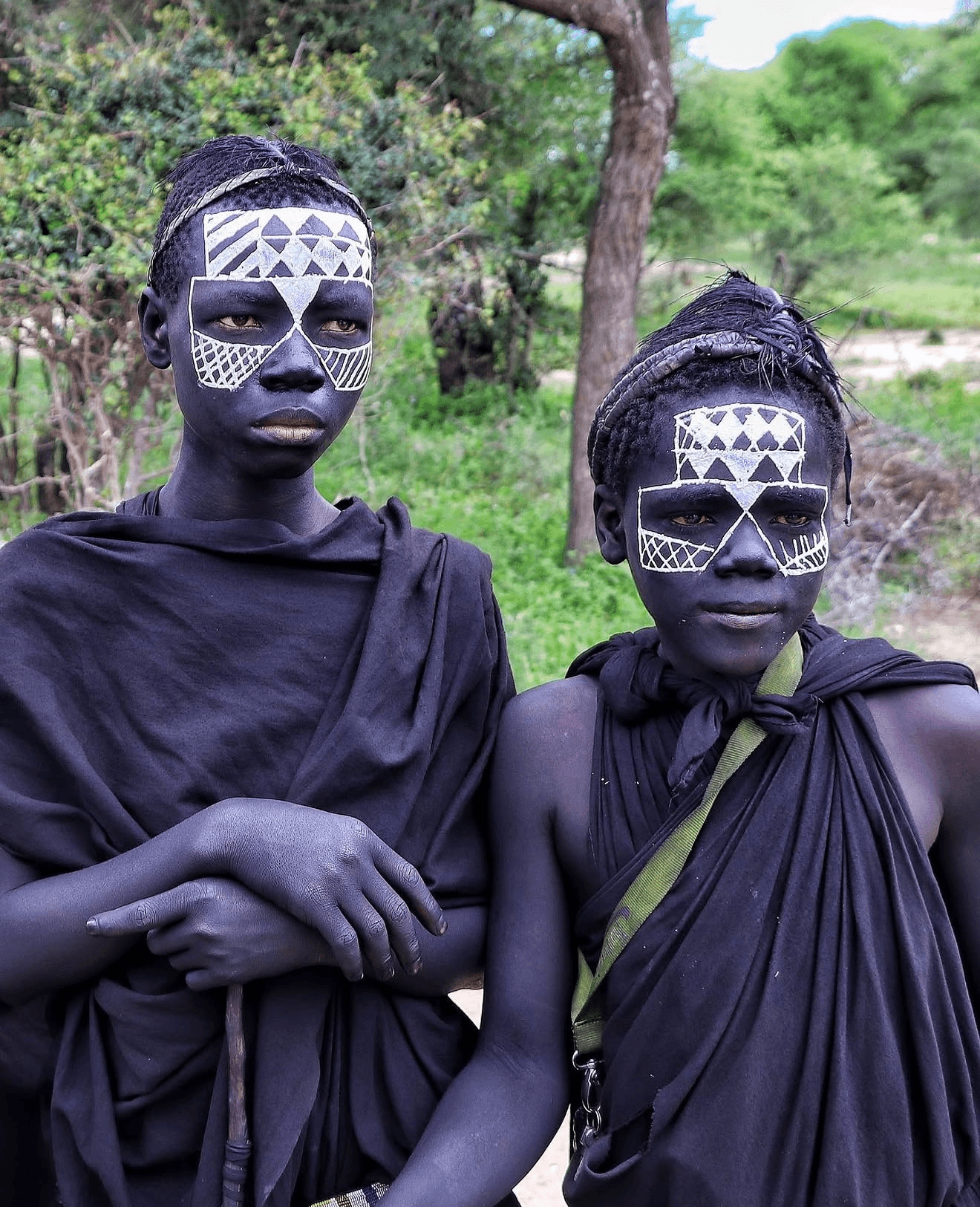
And suddenly, a teenager appears on the horizon. With a completely black face. Covered in white geometric patterns. Staring straight at you.
Half the car starts scrambling for their phones. The other half looks at me.
"Alisa… who… is that?"
"That’s a Maasai."
"No, no. We know what the Maasai look like. Red cloaks, spears, beads… Who is *this*?"
"This is also a Maasai."
And this is where it gets fascinating.
Tanzania is actually home to over 120 tribes. Yes, one hundred and twenty. So if you feel like you’ve already figured them out - congratulations, that’s a very bold assumption.
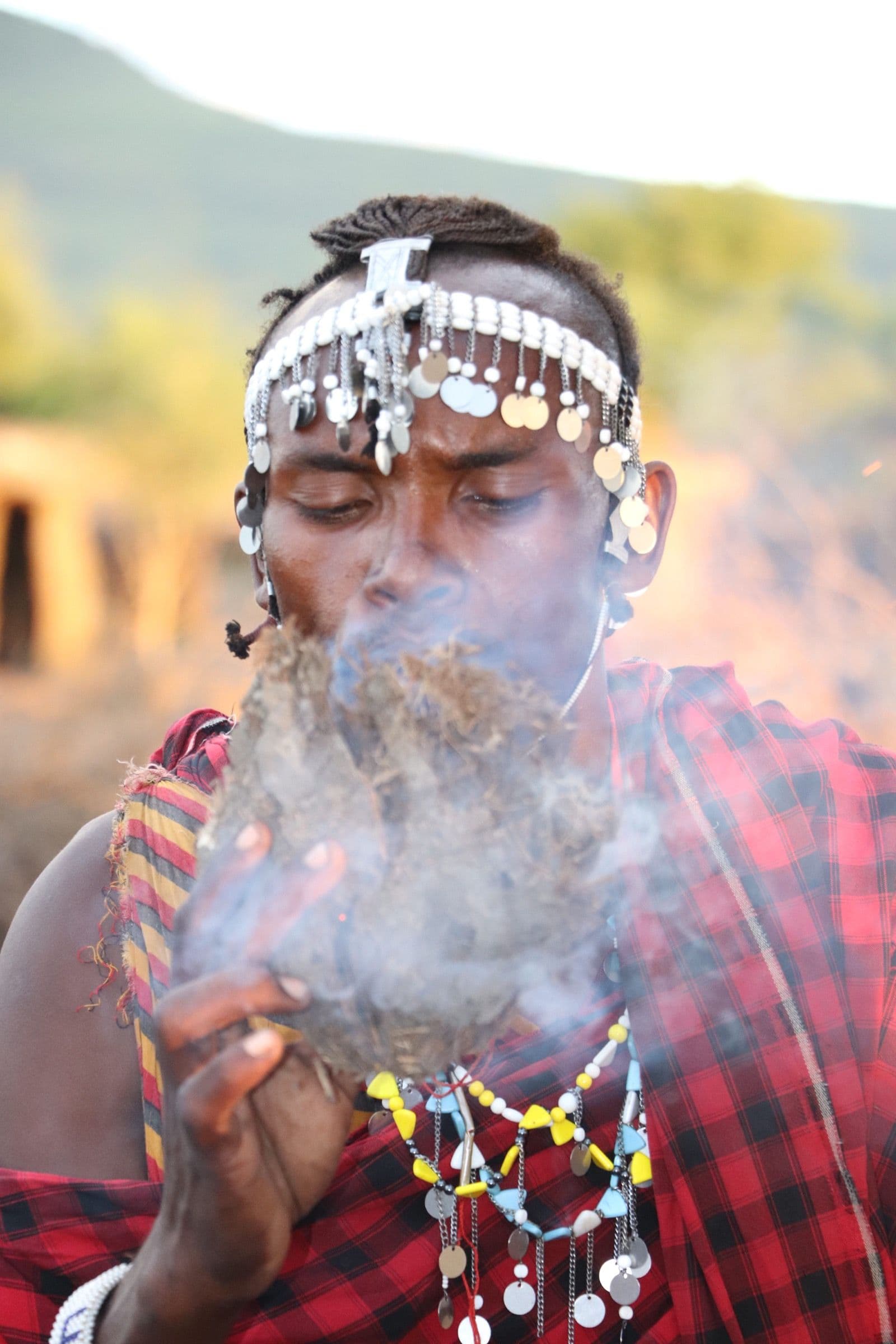
Yet, it’s the Maasai who have become perhaps the most recognizable people of East Africa. Tall. Vibrant. Shrouded in their iconic red blankets (shúkàs). However, sometimes you might encounter young guys with their faces completely covered in black paint. And no, it’s not war paint. It’s not for a festival. And it’s definitely not an attempt to scare tourists.
Though… judging by the expressions on some of our guests' faces, they manage to do just that 😉
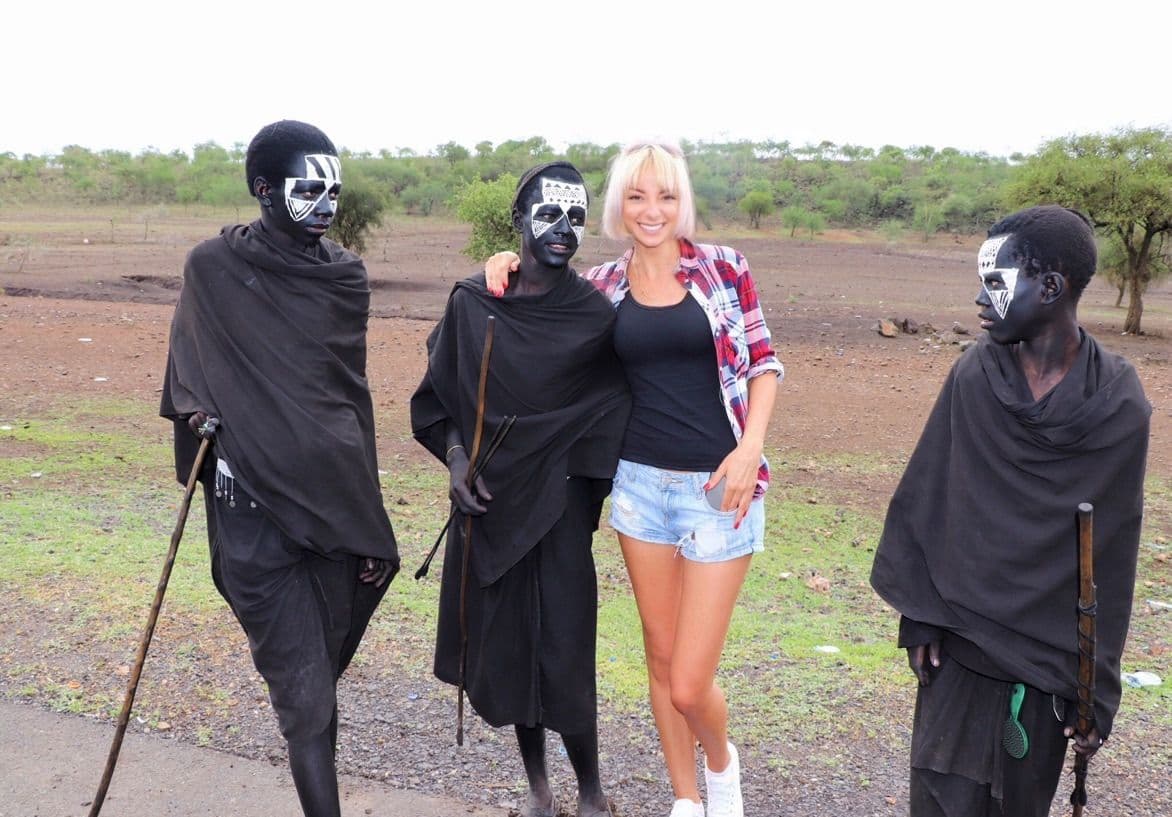
In reality, you are looking at the Morans. Young warriors. This is what the Maasai call young men who have just undergone one of the most important initiation rites of their lives.
For us, coming of age looks a bit mundane: you get an ID, pass your exams, and find a job.
For the Maasai, it’s a bit more intense. When a boy undergoes his initiation ritual (circumcision) - one of the most pivotal milestones in his life - he officially ceases to be a child and becomes a Moran, a young warrior. This isn't just a cool title; it’s a completely new social status with its own duties, strict rules, and deep responsibilities to the community.
During this period, many of them decorate their faces with a mixture of charcoal, ash, and natural clay pigments, applying intricate white patterns on top. It looks incredibly striking. Especially if you weren't mentally prepared to come across such a sight in the middle of the wilderness.
Maasai culture certainly knows how to surprise. Some traditions evoke pure admiration. Some earn genuine respect. And some make Westerners double-check: "Excuse me… WHAT?"
For instance, certain remote communities still preserve ancient rituals surrounding the coming-of-age of young women. We are talking about female genital mutilation (FGM) - a practice that is now strictly illegal in Tanzania, with the government and various NGOs actively working to eradicate it. Yet, in some isolated areas, it still persists as part of the traditional way of life.
That is why, when experiencing Maasai culture, it is crucial to remember one thing: we didn't come here to judge. We came to understand.
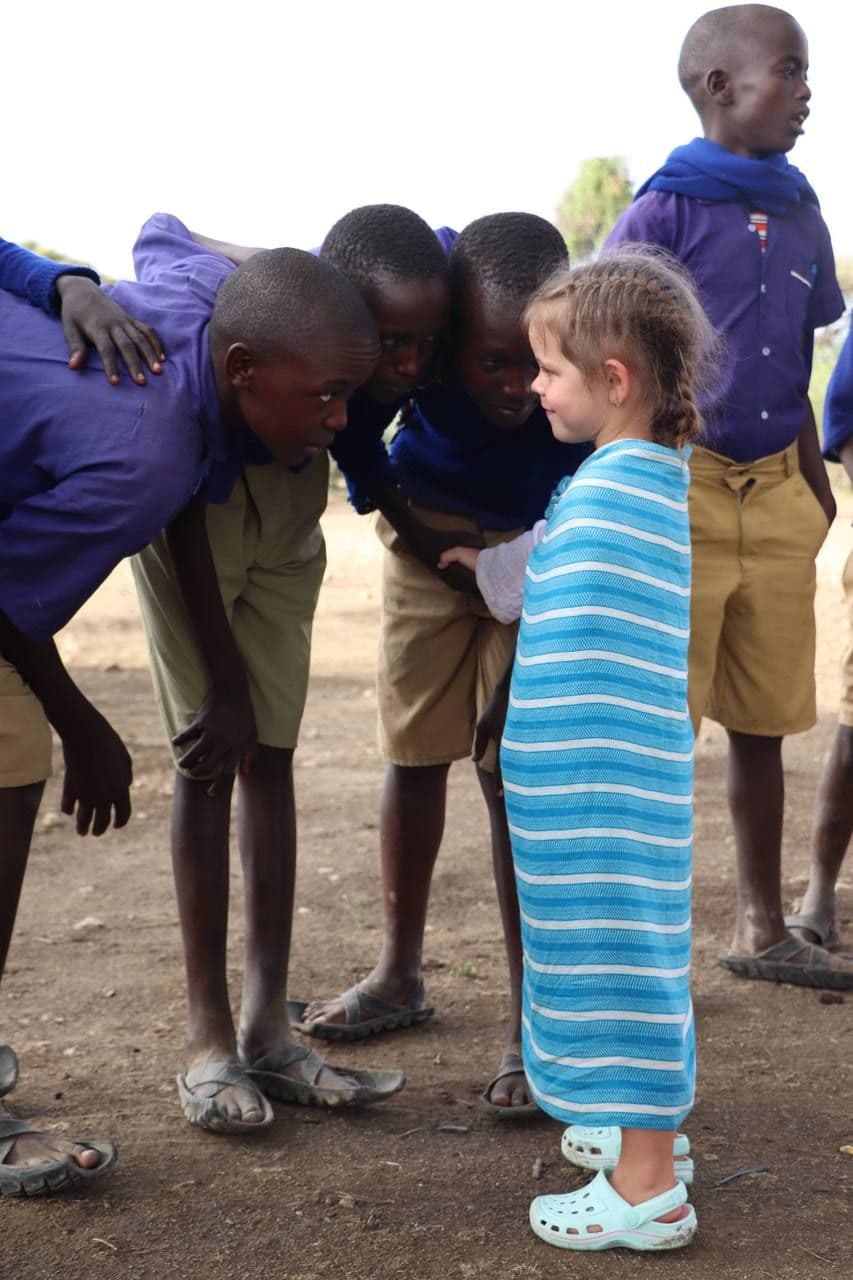
This is probably why I love taking guests to Maasai villages. Not just because they dance, and not because you can buy beautiful beadwork. But because it’s a rare chance to step into a completely different world for a couple of hours.
A world where cattle are still considered the ultimate wealth. Where three-year-old children navigate the savanna better than any GPS.
We don't just come on safari to look at lions. We come to see Africa. And without its people, this story would only be half-told.